Slide title
Write your caption here
Button
Slide title
Write your caption here
Button
Slide title
Write your caption here
Button
Slide title
Write your caption here
Button

Slide title
Write your caption here
Button
Slide title
Write your caption here
Button
Slide title
Write your caption here
Button
Slide title
Write your caption here
Button
Slide title
Write your caption here
Button

Slide title
Write your caption here
Button
Slide title
Write your caption here
Button
Slide title
Write your caption here
Button
Slide title
Write your caption here
Button
Slide title
Write your caption here
Button

Slide title
Write your caption here
Button
Are you looking to unlock the full potential of your car or truck? Improving your vehicle's performance goes beyond just engine tuning. The components that transfer power to the wheels are just as important. In the automotive industry, aftermarket axles have become a go-to solution for enthusiasts wanting more from their ride. This guide will walk you through the world of performance axles and how they can transform your driving experience.
It's important to note that performance axles may require maintenance procedures that differ from regular axles. Because they are often engineered to withstand higher loads and stresses, performance axles may require more frequent inspections, specialized lubrication, and attention to wear components to ensure optimal performance and longevity.
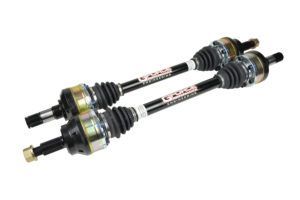
The axle is a fundamental part of your vehicle's drivetrain, responsible for sending power from the engine and transmission to the wheels. Think of it as the final link in the chain that makes your car move. Stock axles are designed for everyday driving conditions, but they can become a weak point when you add more power or drive aggressively. This is where performance axles come into play.
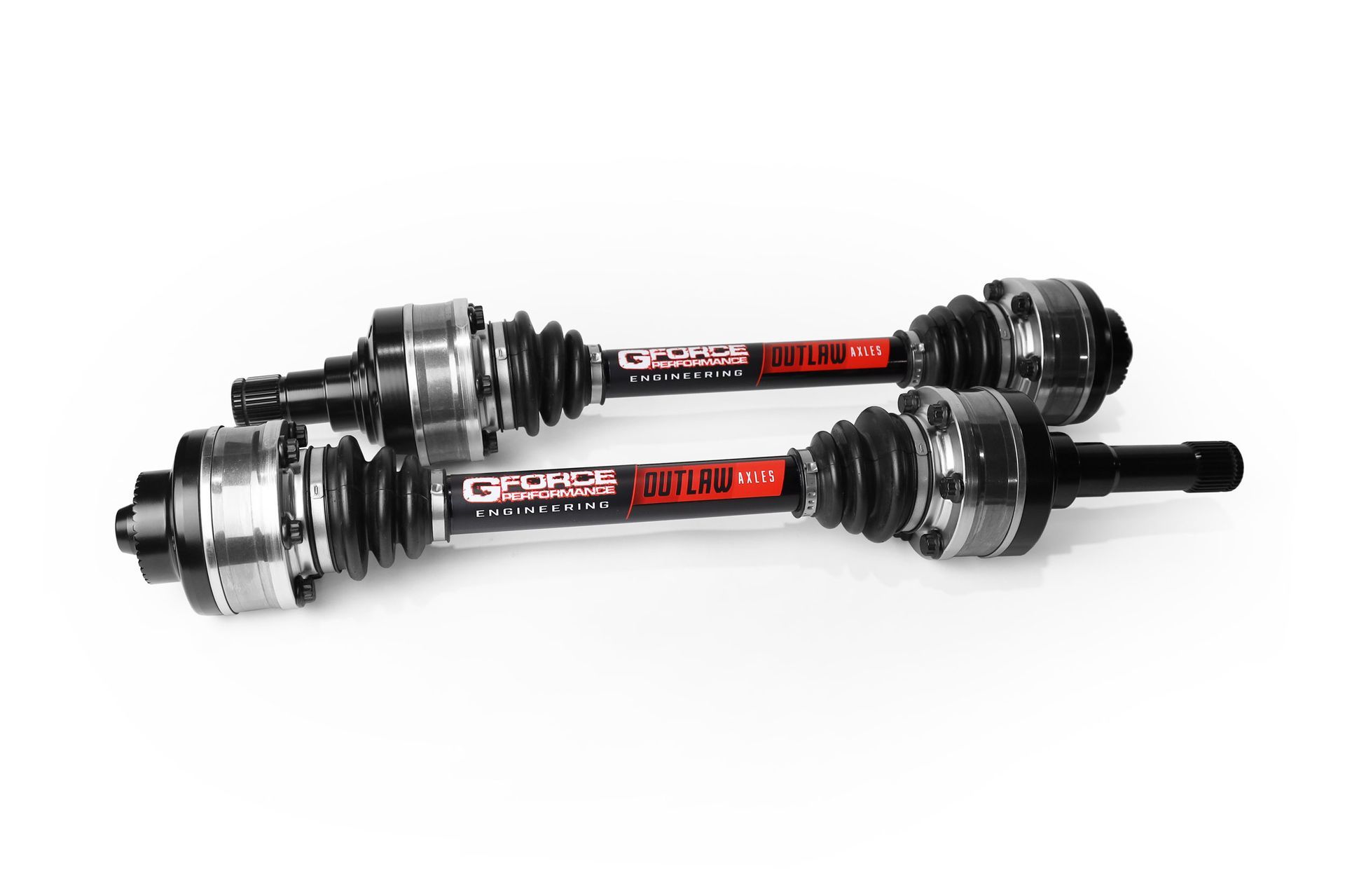
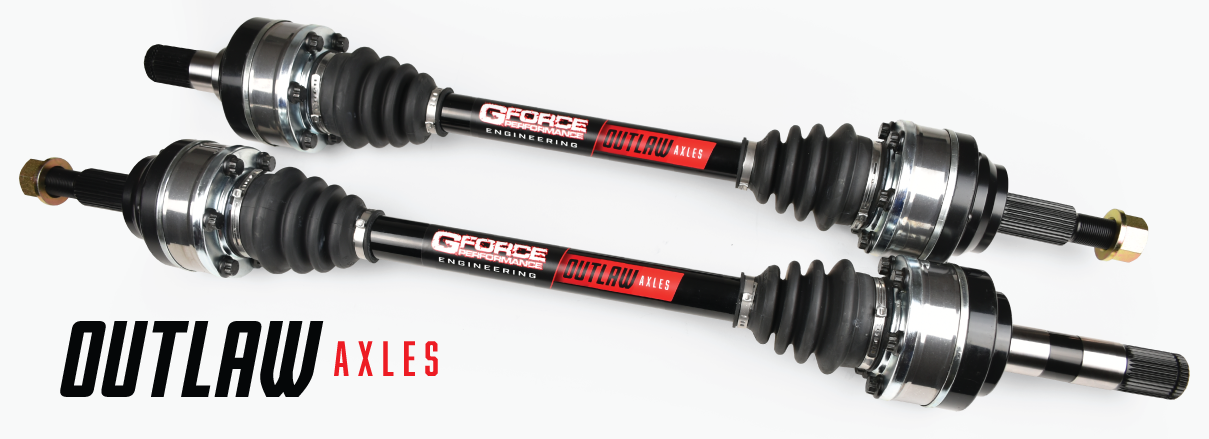
Engineered for strength and reliability, performance axles are precision-crafted to withstand extreme stress. Whether you have a high-horsepower muscle car or a tuned import, these axles can handle significantly more torque without failing. This results in improved power transfer and better overall handling, giving you the confidence to push your vehicle to its limits. The main difference lies in their construction and capability, which we will explore next.
The primary difference between performance axles and stock axles is their material and construction. Performance axles are typically made from high-strength steel alloys or even composite materials that are much stronger than the metals used in standard factory parts.
This superior construction translates directly into enhanced durability. They are specifically designed to manage the increased stress caused by a modified engine or aggressive driving, reducing the risk of snapping or premature wear. This makes them a necessary upgrade for any serious performance build.
Ultimately, this means you get better traction because the power is delivered to the wheels more consistently and efficiently. Your vehicle's handling improves, especially during hard launches or sharp cornering, making your ride not only faster but also safer and more predictable.
When you decide to upgrade, you'll find there are several types of axles to consider. The right choice depends on your vehicle and how you plan to use it. From heavy-duty axles for towing to specialized racing axles for the track, each is built for a specific purpose.
These axles are designed to work seamlessly with your vehicle's differential to smoothly transfer power. While the main goal is to provide extra strength and reliability, some advanced designs can also reduce rotational mass, offering a slight improvement in fuel efficiency and acceleration. Let's look at how these types differ for on-road and off-road use.
Distinct differences characterize performance axles designed for off-road compared to those tailored for street applications. Off-road axles require greater strength and durability to withstand harsh conditions, ensuring vehicles can tackle rugged terrain without risk of failure. The use of materials like chromoly steel enhances their resistance to deformation, providing peace of mind for adventurers facing adverse weather conditions and heavy loads.
Selecting the right performance axle upgrade is crucial for both performance and safety. To make the best choice, consider your vehicle's horsepower, your driving style, and your primary use—whether it's daily driving, racing, or off-roading. Matching the axle's torque rating to your engine's output is essential to prevent the risk of failure. Stronger is not always better if it's not the right fit for your setup.
Several brands dominate the performance axles market in the United States, known for their precision engineering and quality. Companies like Currie Enterprises and Moser Engineering are lauded for their aftermarket axles, which offer the rigorous durability and strength necessary for both everyday use and racing applications. Responsible for producing components that withstand heavy loads and challenging environments, these brands use high-quality materials, such as chromoly steel, to enhance performance and reduce the risk of failure.
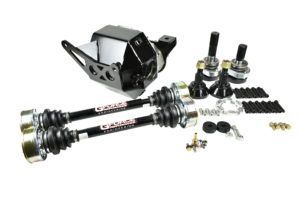
Upgrading the differential, shaft, and bearing on your Ford or Honda improves overall handling, power delivery, and long-term durability. A quality differential upgrade reduces wear, enhances stability, and supports higher performance, making it ideal for drivers seeking better reliability and smoother driving under demanding conditions.
In summary, choosing the proper performance axles can significantly enhance your vehicle's handling and power delivery. Understanding the differences between stock and performance options, as well as the specific needs for off-road and street applications, will help you make an informed decision. With a variety of brands available, it’s essential to consider factors such as durability, price, and compatibility with your vehicle. Prioritizing these factors will ensure you select the best-performing axles for your ride. If you’re ready to elevate your driving experience, don’t hesitate to reach out for a personalized consultation on the best options tailored just for you!
While some experienced home mechanics can perform the installation, it's generally recommended to hire a professional. A professional installation ensures the shaft, bearing, and retainer plates are set correctly, preventing issues such as deformation or leaks. This minimizes vehicle downtime and guarantees the job is done right the first time.
https://www.youtube.com/user/MoserEngineering/videos
https://www.youtube.com/watch
https://www.instagram.com/gsp_northamerica/
https://www.instagram.com/moserengineering/